






















































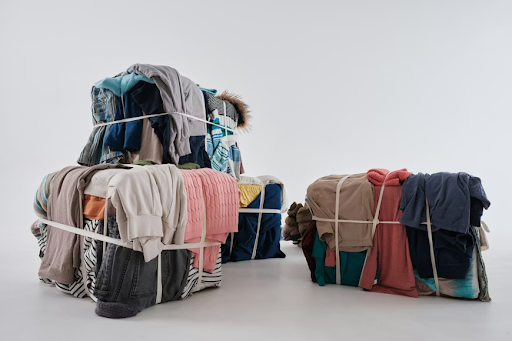
Fashion is a staple in everyone’s personal life. It’s a way of expressing who you are and what you like without the need for words. While many buy from a variety of stores, some take advantage of cheaper, quickly made clothing to stay on trend. While convenient, the speed of production along with mass production can do more harm than good.
What is fast fashion?
“Fast Fashion” is a term to describe inexpensive, rapidly mass-produced clothing in response to the latest trends in clothing. Fast fashion often takes the lead in production to accommodate the biggest micro trends at that given time. While fast fashion can be seen as “convenient”, many issues arise with how quickly these items are produced. The speed the fashion pieces are put out for the consumer causes production to be rushed, which causes things to often be overlooked such as quality, appearance, and functionality. Audrey Stanton, a sustainability editor for “The Good Trade” states, “Clothing is made in a rushed manner, and brands are selling severely low-quality merchandise. There isn’t enough time for quality control or to make sure a shirt has the right amount of buttons — not when there is extreme urgency to get clothing to the masses.”
The beginning of fast fashion
However, fast fashion didn’t only start recently. Fast fashion has been around for years, but production and popularity skyrocketed in the 2000’s. The Sunday Times reported, “It wasn’t until a few decades later, when fast fashion reached a point of no return. According to the Sunday Style Times, “It particularly came to the fore during the vogue for ‘boho chic’ in the mid-2000s.” The way the micro-trended clothing is pushed out, creates large inventory, as well as large waste. Companies, like SHEIN, Zara, Fashion Nova, and Princess Polly, are some contributors to the ultra fast fashion craze, mostly appealing to teens and young adults. These brands promote their trendy clothing lines, primarily targeting those who follow influencers on social media. The prices of clothing also influence the targeted audience due to their affordable pricing. Peng Shao and Hermann Lassleben, researchers known for their work in sustainable fashion, make the statement that the affordability is both a blessing and a curse, “since it allows ordinary people to purchase fashionable clothes in various designs at affordable prices”.
Environmental issues that follow fast fashion
Fast fashion not only impacts prices and inventory count, they also impact the environment. Certain brands, Temu and Gymshark for example, have been questioned for using toxic dyes that can seep into water supplies, damaging water quality. On top of damaged water quality, the carbon emissions also are a large issue. “Each year, 11 million tons of clothing is thrown out in the US alone. These garments — full of lead, pesticides, and countless other chemicals — rarely break down. Instead, they sit in landfills, releasing toxins into the air. Fast fashion’s carbon footprint gives industries like air travel and oil a run for their money.” (Stanton). The amount of carbon emissions in the environment due to fast fashion can cause great harm to smaller communities, as well as larger ones with prior air quality issues. Smaller communities and factories are often the most impacted with the environmental damages that come with fast fashion, as that is where the products are mostly produced.
“This danger only increases in factories, towns, and homes where fast fashion is made. For example, where garments are produced, synthetic dyes are often dumped causing a negative environmental impact on local ecosystems, agriculture downstream, and garment workers.” (Stanton).
The excessive use of harmful chemicals not only harms the ecosystems and agriculture of surrounding areas, it also can put workers’ health in jeopardy.
Society and fast fashion
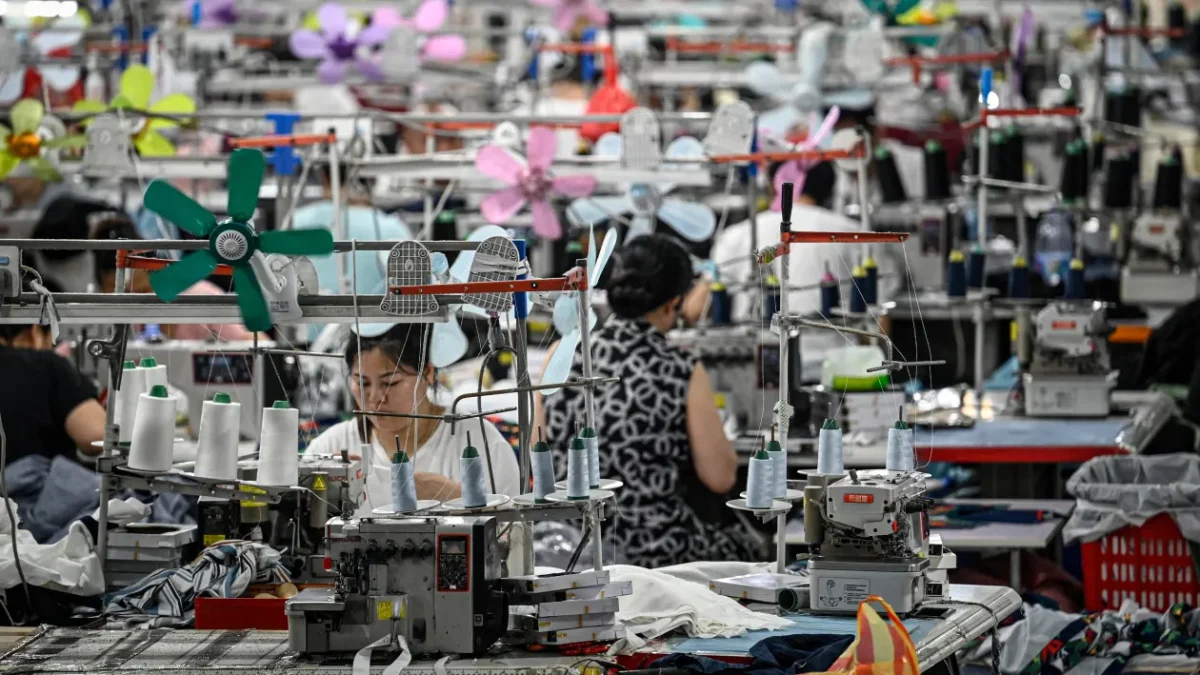
The impacts on society fast fashion holds also contributes to its criticism. As the clothing uses many toxic chemicals, the constant inhaling and contact with said chemicals can cause many health problems for workers. The workers for these businesses are also often mistreated. Many suffer with unsafe working conditions, unfair wages, and long continuous work hours with little to no breaks in between.
“The health of garment workers is always in jeopardy through exposure to these chemicals. And that doesn’t even take into account the long hours, unfair wages, lack of resources, and even physical abuse. Many of us are familiar with the news about Nike sweatshops, but they’re just one of the many fast fashion brands violating human rights for the sake of fashion. The people who make our clothes are underpaid, underfed, and pushed to their limits because there are few other options. Instead, we can proactively support garment workers and fight for better conditions and wages.” (Stanton)
The societal impacts not only impact the workers, but also the consumers. While these companies’ products specifically are targeted towards younger consumers, this often causes many more hidden issues. Many teens feel the need to keep up with trends of clothing to be able to fit in. With fast fashion’s quick push for trendy clothing, teens now have an easy and not very costly way to keep up with trends no matter how fast they’re pushed out. With trends spiking and ending, many of these clothing items that no longer fit the hot new items end up being discarded into landfills as the new items are bought.
“The circular consumer is an individual that is stuck in a continuous cycle of purchasing clothing, disposing of the clothing, and then buying new clothes again, therefore consistently contributing to waste and pollution.” (Webster)
The companies that change their inventory every time a new trend is on the uprise in social media gives consumers a sense of FOMO if they are not able to follow the trend before it ends as abruptly as it started. Teens and young adults are often the target audience, which makes it easier to continue quick cheap production, for even cheaper prices.