


















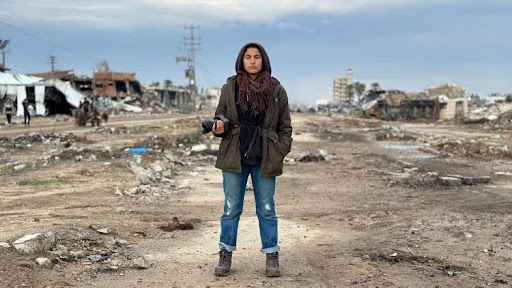
























On October 28, 2025 Hurricane Melissa, a category five hurricane struck the Caribbean islands. Jamaica, The Bahamas, Cuba, Haiti, Bermuda, Dominican Republic, and the Turks and Caicos islands were all struck by Melissa, with wind speeds upwards of 185 miles per hour and wind gusts as high as 252 miles per hour. Continuous rainfall was seen throughout the hurricane, some areas saw accumulation of up to 30 inches. Melissa left the Caribbean in shambles trying to repair itself for peak tourism season, and questioning why this hurricane was so severe.
Rapid Intensification
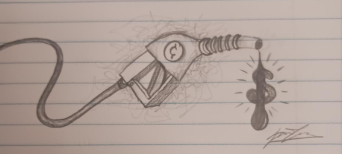
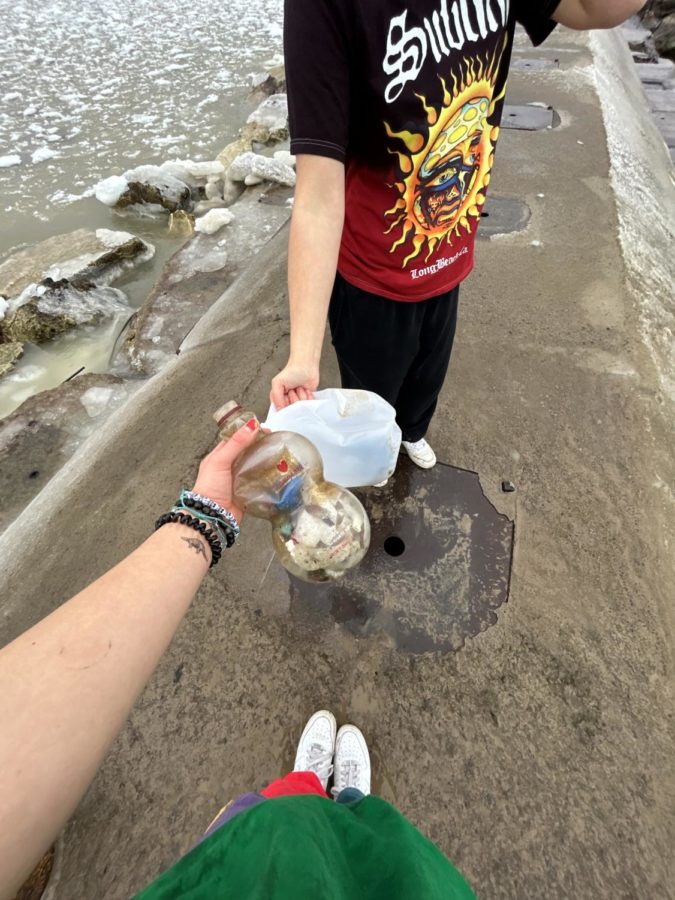
The Caribbean islands have grown accustomed to year round hurricanes, though Melissa stood out due to rapid intensification; this is the process that occurs when a tropical hurricane/cyclone strengthens very quickly causing wind speeds to increase at least 35 miles per hour. This typically happens within 24 hours making it less predictable and almost impossible to forecast, causing an extremely dangerous storm. Scientists at the World Weather Attribution conducted a study about rapid intensification and found “Planet-warming gases released by humans, such as carbon dioxide, cause the atmosphere to hold more water vapor and increase ocean temperatures. Warmer oceans give hurricanes fuel to unleash more rain and strengthen more quickly.” (O’malley 2025). Hurricane Melissa was the fourth Atlantic hurricane this year to undergo rapid intensification which displays a major problem with human caused climate change. Though there are plenty of ways to reduce this. One of the biggest steps society could take as an attempt to correct this would be consumption habits. By eating out less and eating less processed foods, it would not only improve the climate but also one’s physical health.
Tourist Season
Rapid intensification and climate change are not the only thing Caribbean islands are worried about. Peak tourism begins in mid December and islands encountered a great deal of damage. The United Nations relief coordination office says “More than 600 health facilities and 90,000 homes affected.” (Misha 2025). The islands depend on tourism money as it’s their largest source of income each year. In 2024 Jamaica made over four billion dollars, in the 2025 winter season Jamaica expects to make upwards of five billion. With all of the destruction Melissa caused, the Caribbean could miss out on valuable tourist dollars. Patricia Mighten, a hotel housekeeper who works in Hanover was interviewed and stated ““With some of the hotels closed and most of the tourists gone, many of us are left without work. This storm didn’t just destroy buildings; it shattered jobs and incomes for many of us and our families,”” (Myers Jr. 2025). Mighten mentions most of the tourists have left meaning the most important source of income is vanishing each day during a time the islands are in dire need of money. Before Melissa hit, Jamaica was expected to see a six or seven percent tourism growth in the winter season. Edmund Bartlett, a tourism minister, predicts “Jamaica’s tourism sector to be back to normal by Dec. 15, the start of the island’s peak tourism season.” (Myers Jr. 2025). Hotels are working hard to repair their buildings and getting things done in record timing for the expected tourists. Nevertheless, hotel owners, construction workers, and contractors are working around the clock to prepare for the record breaking tourist season.
Opportunity
Though not everything hurricane Melissa caused was destructive. Despite all the rain, wind, and destroyed architecture, citizens of the islands were brought closer together in a time of distress. In the immediate aftermath, large numbers of displaced families were forced into shelters and emergency housing, creating living situations that brought together people who might otherwise never have met. In many communities, rescue operations saved hundreds of lives and facilitated cooperation between local volunteers and affected families, they also brought kits for the families in crisis. The International Federation of Red Cross has volunteers helping repair damages in Jamaica and mentioned, “Despite the difficulties, Red Cross teams have started distributing goods to affected communities, including food packages, water and items like tarpaulins, shelter kits, hygiene kits, cleaning kits and jerry cans.” (IFRC 2025). Everyday products like food, water, and basic hygiene products may not seem all that important, but when their access is limited people realize they have been taking them for granted. Furthermore, the IFRC delivering these essentials to the Caribbean community showcases the importance of global connectivity, and relationships in general.
Hurricane Melissa extends beyond its destruction, reminding the impacted islands the power of collected strength and resilience. The hurricane’s rapid intensification tested the preparedness and endurance of the islands in its path. Yet even as tourism was expected to slow down and disrupt more business and families, the storm also created unexpected space for reflection and rebuilding. Hotels overcame these challenges and are ready for a record breaking tourist season. Neighbors established new bonds while sharing resources, and many residents discovered connections they had not realized they were missing. These renewed relationships have begun to shape a clearer vision for the recovery of the impacted islands. Hurricane Melissa was not just a horrendous category five hurricane but rather an opportunity. An opportunity for the islands to reconsider their strength, rethink their future, and recognize the power that can emerge when a community chooses to rebuild together.