


























































Ever since Covid, we’ve heard a lot about grades slipping during school closures. While Covid might be contributing to learning loss, we should see growth again now that schools are back in-person right? Wrong. Testing scores show that in fact grades have slipped even further.
So why are these scores declining? According to Martin West, Covid was not the start of grades slipping. “But achievement in each of these subjects was already trending downward before the pandemic…” (West, 2025) So when did this downward trend start and what caused it if not the pandemic? Martin states that, “Twelfth-grade reading scores hit a recent peak in 2009 and fell significantly over the following decade.” (West, 2025)
William Brangham, a writer for pbs news, highlighted some reasons that might be contributing to the downward trend. He writes, “But the two other hypotheses are the rise in social media use, which is concentrated among lower-achieving students…a third possibility is the rise in student absenteeism, which spiked during the pandemic, but remains high.” (Brangham, 2025)
As Brangham begins to say, the lower achieving students have felt the grade slips more than any. While phones, social media, and students skipping class may be to blame, there is no way of proving this yet. Schools are still working on implementing systems to address these issues, as it is a somewhat new problem. In the next couple years we will start to see the results of these efforts.
So what are these possible steps to combat phone use and absenteeism? Martin West wrote that, “While we lack a definitive causal link between smartphones and learning, the circumstantial evidence is sufficiently strong to justify more experimentation with bell-to-bell phone bans in schools, as well as efforts to rein in students’ near-constant use of other digital devices while in class.” (West, 2025)
While phone bans are a common thing already, we still do not have much data that they are working yet.
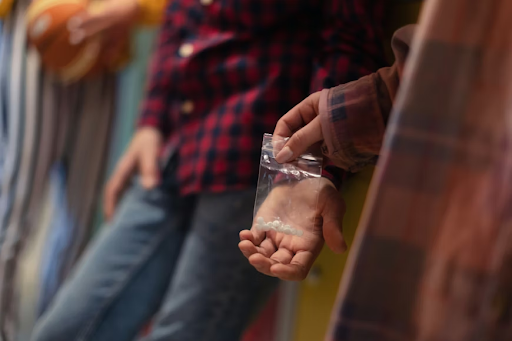
Student absenteeism is a big issue that the school system alone cannot fix. While it seems easy, go to class kids, right? You’re facing years of not having to go to school for a full day, being at home for classes, or just a lack of motivation from certain students. All that time of being conditioned to that will be really tough to erase. Brangham also highlighted the importance of this, “But I think recovering from this is not just about the old debate about test-based accountability. It’s about finding effective ways to lower absenteeism.” (Brangham, 2025) The schools cannot force a kid to go to class, so what is an effective way to keep kids in school?
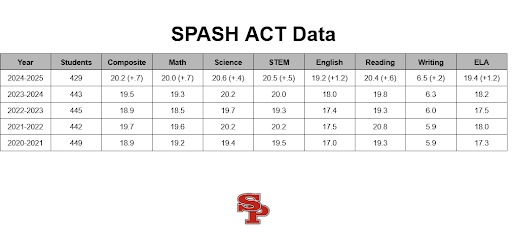
I had the opportunity to interview the principal at SPASH, Jon Vollendorf, about how his high school test grades have been looking. Principal Volendorf claims that over the years, “We’ve traditionally been above the state average”, and interestingly this past year was no different. In fact they were up from the previous years.
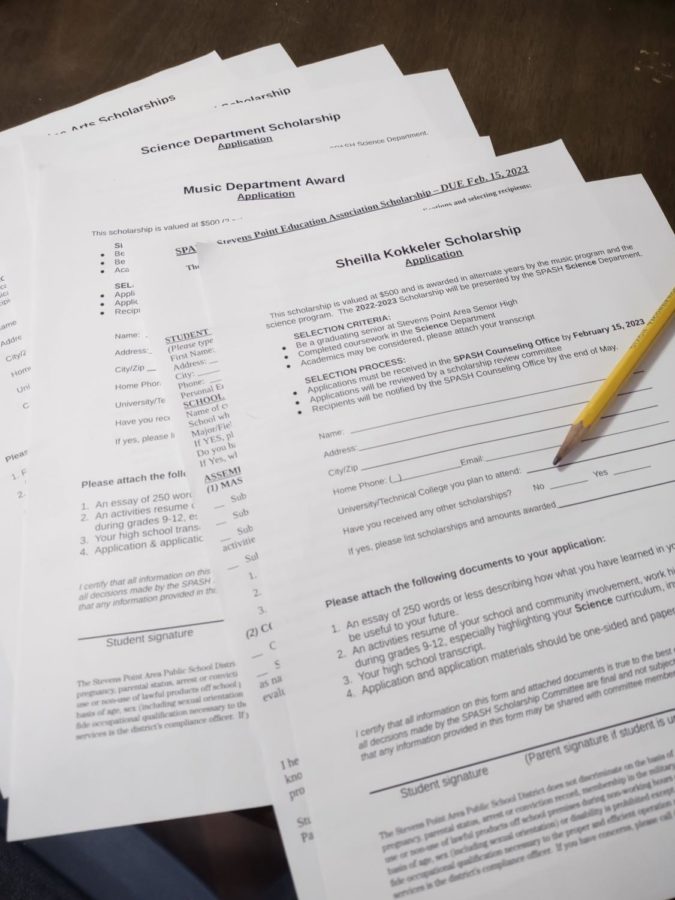
So what’s the secret for this school’s success? SPASH has implemented programs to help prepare children for these tests. This includes universal instruction, the practice preACT, a structured skills workshop called ACT Boost and Method Learning, which all students have access through Clever, for individual learning. Tools like this students can use to be better prepared for the tests and help them identify and study for their weaker areas.
In conclusion, what should schools do to combat the grade slip? While there isn’t a clear answer, programs to prepare students for the test have shown great effects for SPASH. That mixed with efforts to eliminate distractions such as phones could get students to learn more and be more prepared.